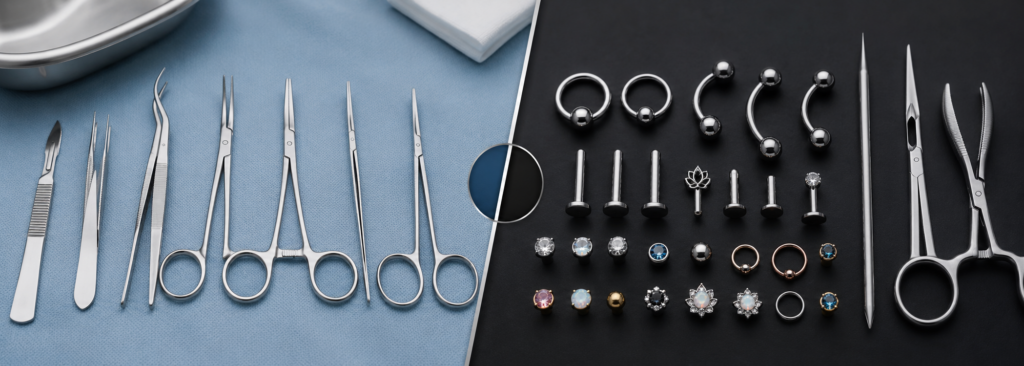
There’s a moment, somewhere between the consultation room and the operating table, where identity gets paused. Not erased. Not forgotten. Maybe… just temporarily set aside. For those of us who live in our bodies as curated spaces; that moment can feel unfamiliar. Because piercings aren’t just accessories. They’re memories. Milestones. Sometimes even armor. And yet, when surgery enters the picture, the conversation shifts. Suddenly it’s no longer about aesthetic flow or jewelry curation, but it’s about compatibility, safety, and what can remain when everything else has to come out.
This is where the world of body modification doesn’t disappear. But adapt.
Modern piercing has evolved far beyond rebellion.
Rooted in material science and anatomy, brands like Invictus Body Jewelry reflect that evolution by creating pieces that are not only beautiful, but engineered for the body. However, stepping into a medical setting, and that nuance often gets flattened.
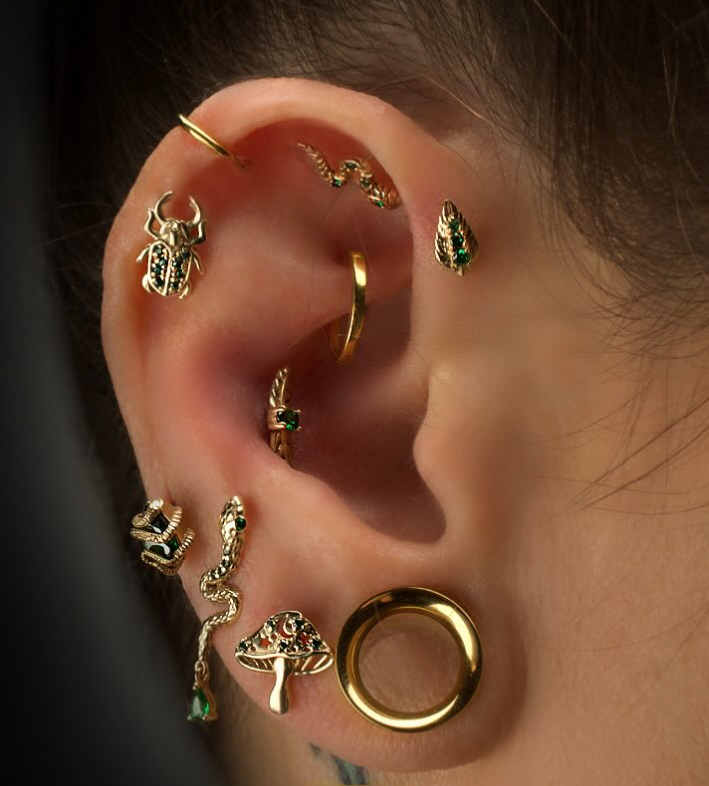
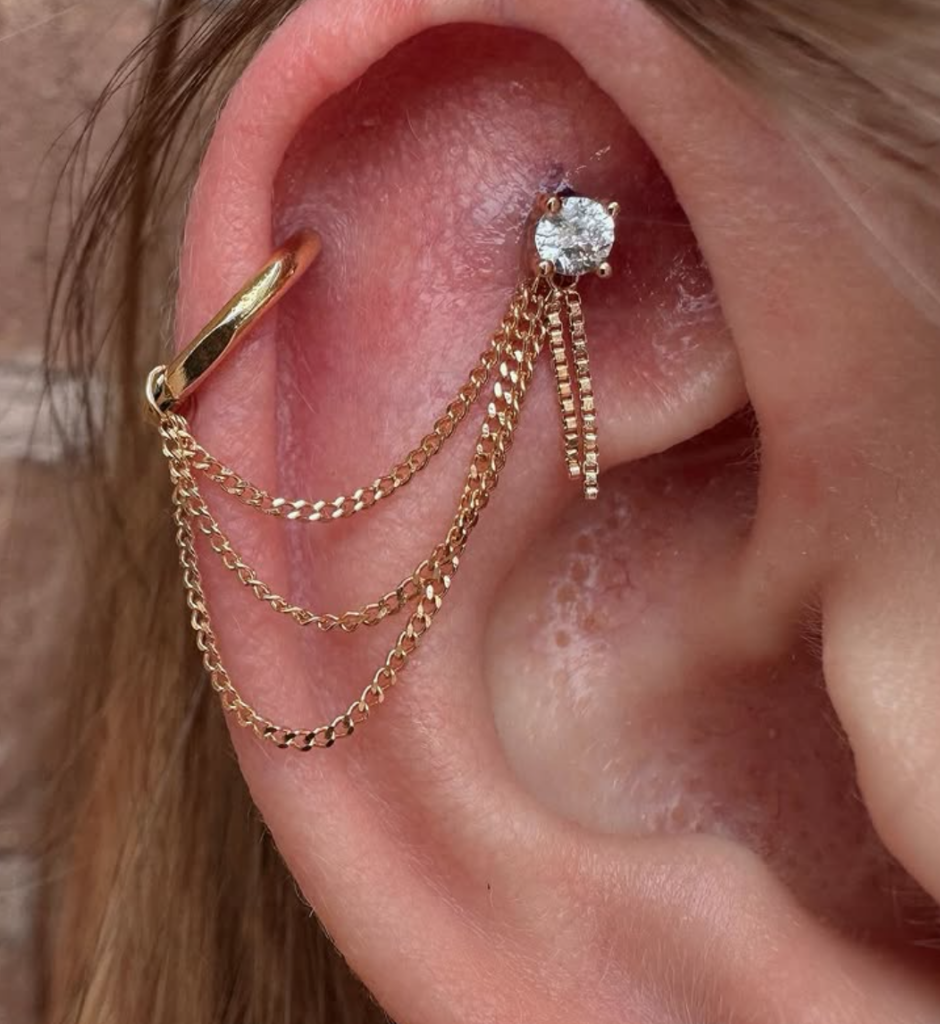
Hospitals aren’t evaluating your jewelry the way a professional piercer would. They’re not distinguishing between implant-grade titanium and mystery metal, or between glass retainers and acrylic placeholders.
They’re operating solely on protocol. And protocol is designed for consistency not individuality.
That’s why it’s important to hold two truths at once:
- Yes, there are materials that are objectively safer and more biocompatible
- Yes, a medical facility may still require you to remove all jewelry regardless of those facts
Understanding that tension is the first step in navigating it.
When removal isn’t possible or when you’re trying to preserve a piercing through a procedure, retainers become essential. Each material tells a different story. And in the context of surgery, that story matters.
Glass vs. Acrylic
At a glance, retainers are meant to disappear. But what they’re made of has a very real, very physical impact.
Glass: Quietly Superior
Glass retainers feel almost invisible in the body. Not because they’re hidden, but because they are non-porous and light weight. And when your body is under stress—like during or after surgery—that matters more than ever.
Glass retainers are better suited for swelling and tend to reduce irritation and inflammation compared to acrylic alternatives.They allow the tissue to exist without friction, without pressure, without the micro-abrasions that can come from rougher materials.
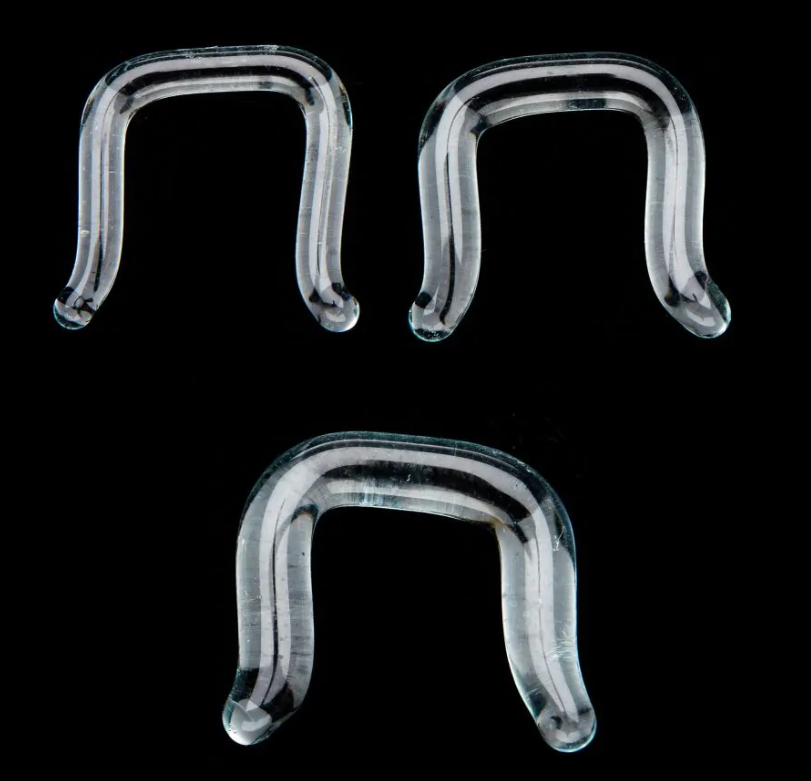
In a moment where your body is already doing the work of healing something bigger, glass doesn’t ask for additional attention.
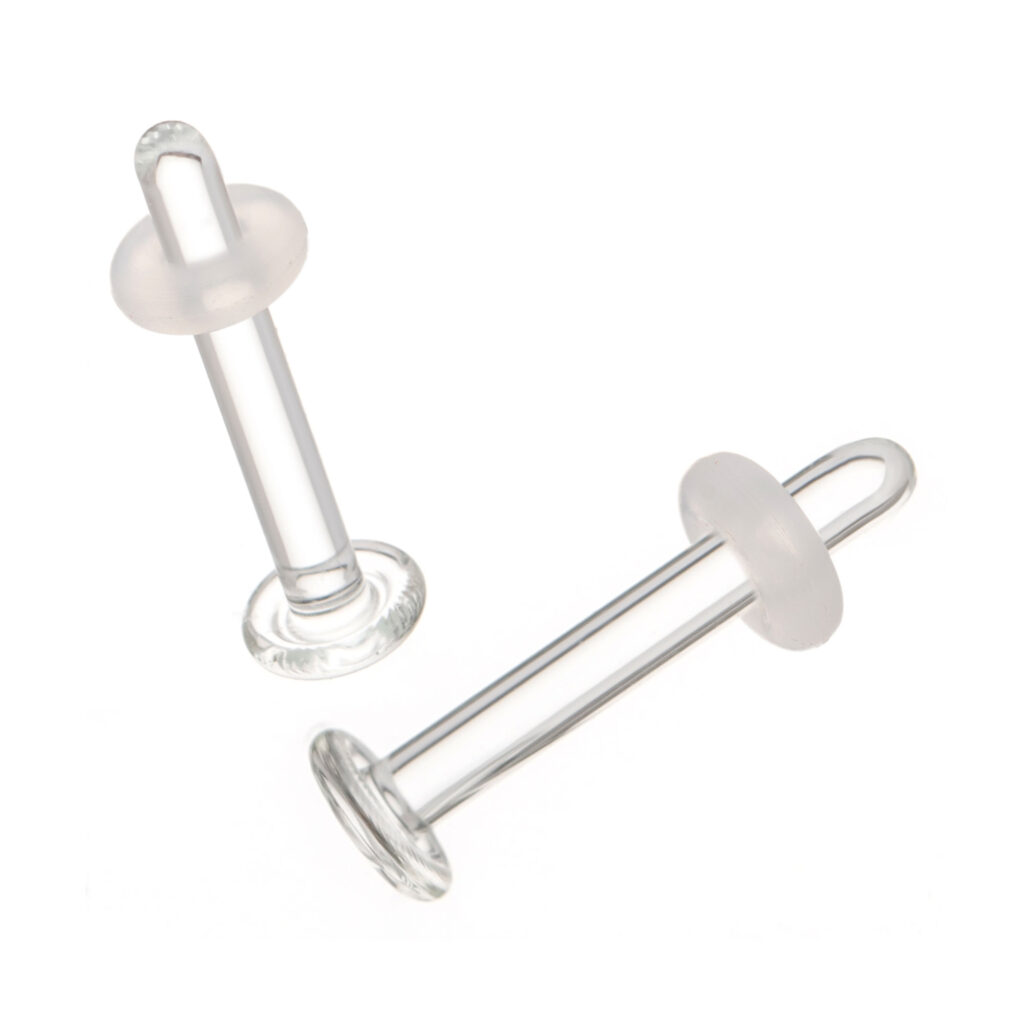
RETLABGLS-81*: Glass Labret Retainer with Clear Silicone O-Ring- This retainer is great for lip piercings or ear piercings or really anything that a flatback labret piercing can fit.
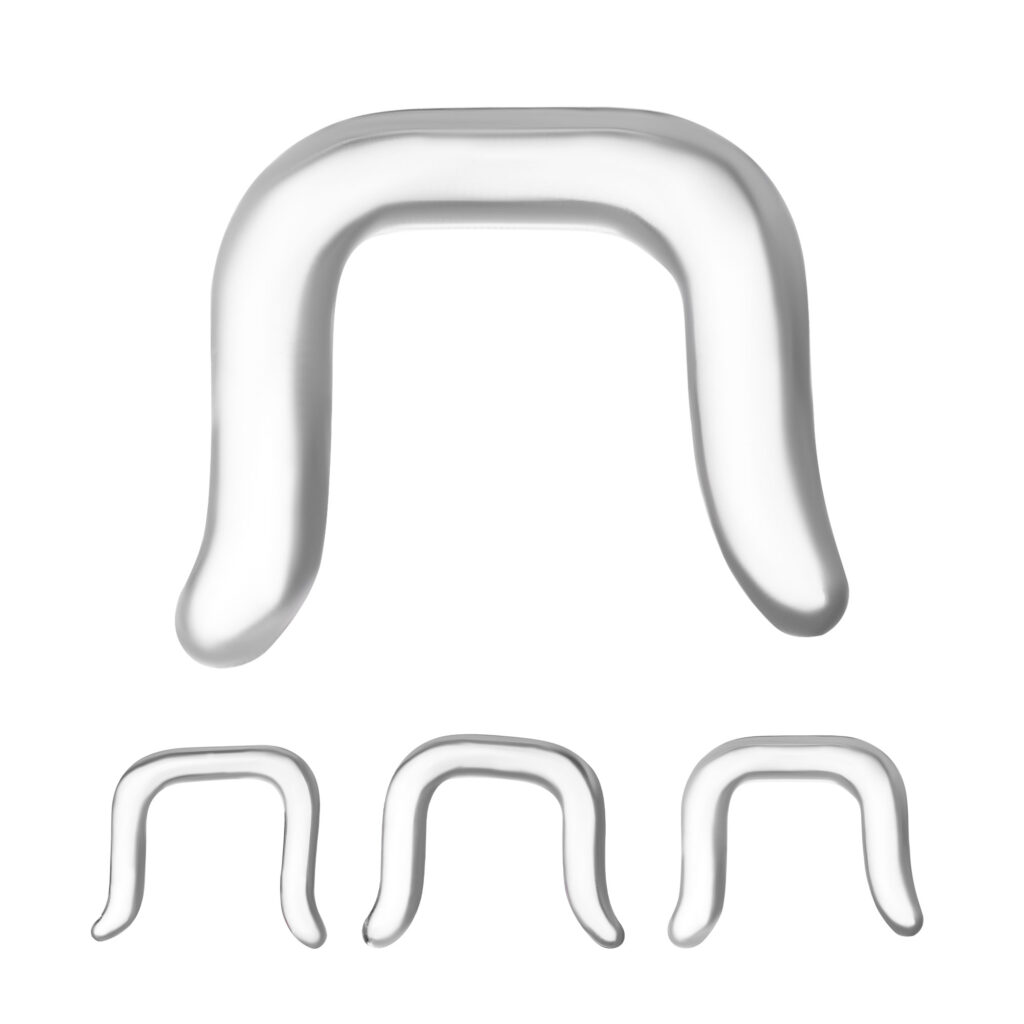
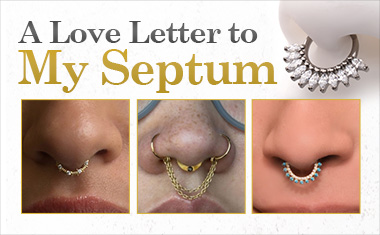
RETSEPGLS2-14G*: Pyrex Glass Septum Retainers- Ohhh the favorite a septum retainer, this is great for long term wear and it is a great hider.
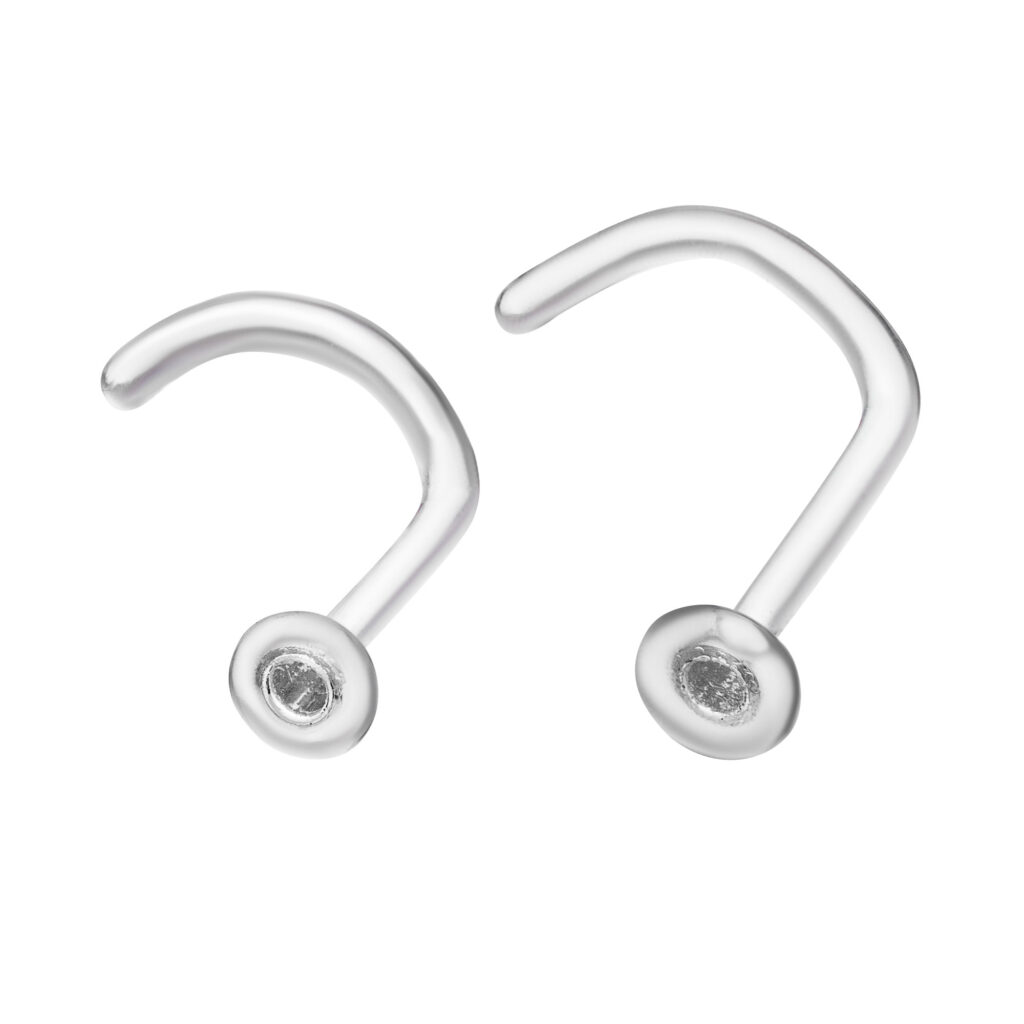
RETTWISTGLS-80*: Pyrex Glass Nostril Screw Retainer- Since we are talking about the nose, The nostril screw is not a fan favorite but put this baby in and your jewelry will not fall out easily.
Realistically you can not replace all piercings with glass. Acrylic retainers have their place. They’re accessible, lightweight, easy to wear for short periods, because they’re porous and less stable.
They can’t be sterilized the same way. They can degrade. And in environments where swelling and sensitivity are heightened, they can become part of the problem instead of the solution. This is where you hear about piercing having a smell or gunk on it.
Acrylic is a placeholder for test and short term uses; whereas, glass is a participant in healing.
Gold vs. Titanium
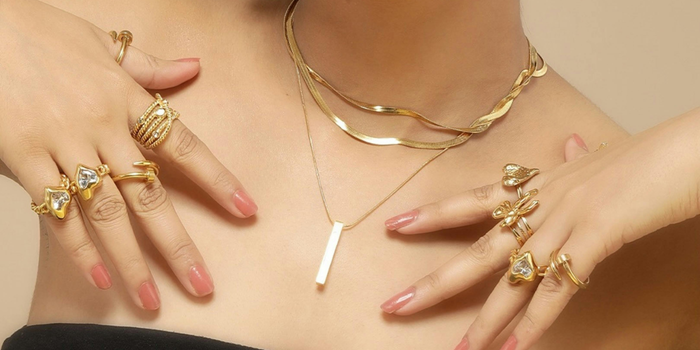
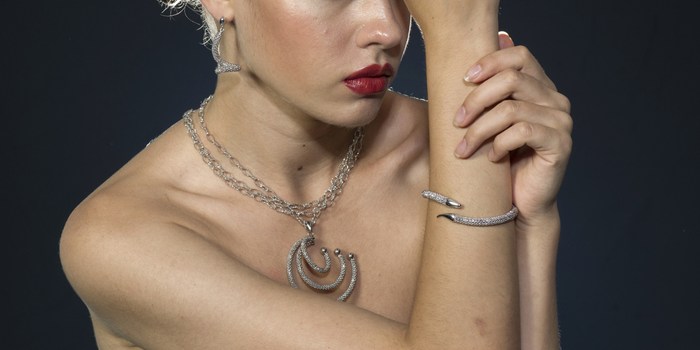
There’s a certain gravity to gold. It carries history, status, and just an overall shine factor. In piercing, it represents a level of refinement, one can say a shift from functional to intentional styling. Titanium, on the other hand, doesn’t try to impress you, because It just works.
Implant-grade titanium is what modern piercing is built on. It’s used in medical implants for a reason, it’s biocompatible, stable, and remarkably unreactive. Titanium doesn’t negotiate with the body. It aligns with it.
High-quality gold can absolutely be body-safe. In healed piercings, it shines bright like a diamond. But during surgery, its role shifts. Gold is softer and heavier. Less structurally resilient. It’s not that it can’t exist in these environments, but it’s that it wasn’t designed for them.
If titanium is about integration, gold is about expression.
And when your body is navigating something as intense as surgery, integration almost always takes priority.
The Reality You Can’t Style Around
No matter how curated your setup is, no matter how intentional your jewelry choices are, one truth remains:
You may still be asked to remove everything.
Not because your jewelry isn’t safe. Not because your piercings aren’t healed.
But because medical systems rely on blanket policies. This isn’t a failure of piercing, it’s a reflection of how institutions operate. And while that can feel frustrating, it also reinforces something important:Preparation matters more than assumption.
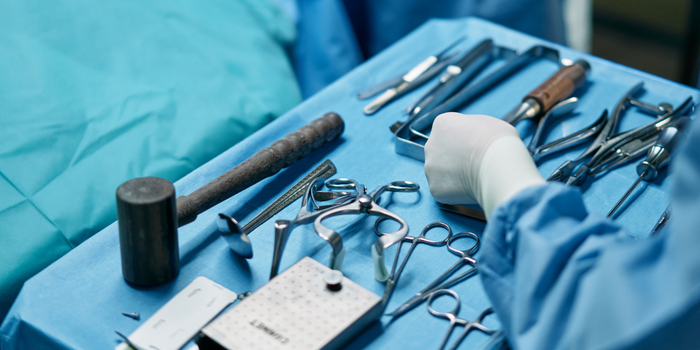
Surgery, in its own way, is also about the body, but about healing, correction, survival. When these two worlds meet, it’s not a conflict. It’s a conversation.
One where you advocate for yourself.
Where you choose materials that support your body under stress.
Where you understand the rules and also understand the why behind them.
Because at the end of the day, your jewelry isn’t separate from your body. It’s part of how you live in it.And even when it has to come out (only temporarily) it doesn’t erase what it represents.